
Fujitsu Software NetCOBOL
Eliminate COBOL Runtime Fees
Without Rewriting Applications
NetCOBOL removes recurring runtime charges for distributed COBOL applications, helping teams lower long-term licensing costs while preserving proven code, performance, and operational reliability.

Runtime-fee-free delivery
Modern COBOL · Familiar IDEs · Flexible platforms
PROVEN AT SCALE
Enterprise COBOL




Fujitsu Software NetCOBOL
What Is Fujitsu NetCOBOL?
Fujitsu NetCOBOL is a COBOL development and deployment suite built to remove recurring costs surrounding distributed applications. It eliminates runtime fees while preserving established code and operational reliability, giving organizations a more predictable cost model without forcing unnecessary application rewrites.
No Runtime Fees
Distribute NetCOBOL applications without recurring runtime license charges.
Predictable Costs
Scale application use without adding runtime costs to every deployment.
Proven Reliability
Maintain dependable performance for business-critical COBOL workloads and services.
Lower Admin Burden
Reduce licensing administration as applications expand across users and environments.

Modernization without migration
Keep the business logic. Modernize the experience around it.

Enterprise COBOL delivery
Build efficiently. Deploy without the runtime tax.
Platform Capabilities
Lower the Cost Structure Around COBOL Applications
Remove runtime charges while retaining reliable COBOL development and deployment.

Runtime-Free Application Distribution
Distribute applications created with NetCOBOL without recurring runtime fees, reducing licensing expense as usage, users, and deployment footprints grow.
No runtime fees · Lower TCO · Distribution

High Performance and Reliability
Maintain the performance and stability expected from mission-critical COBOL while simplifying installation, operation, and long-term application support.
Performance · Reliability · Stability

Standards-Aligned COBOL Development
Use standards-aligned COBOL development to reduce dependence on proprietary compiler behavior and improve application portability over the long term.
Standards · Portability · COBOL

Flexible Platform Options
Choose .NET, Windows, or Linux editions based on technical requirements instead of locking application economics to one deployment platform.
Platforms · Flexibility · Choice
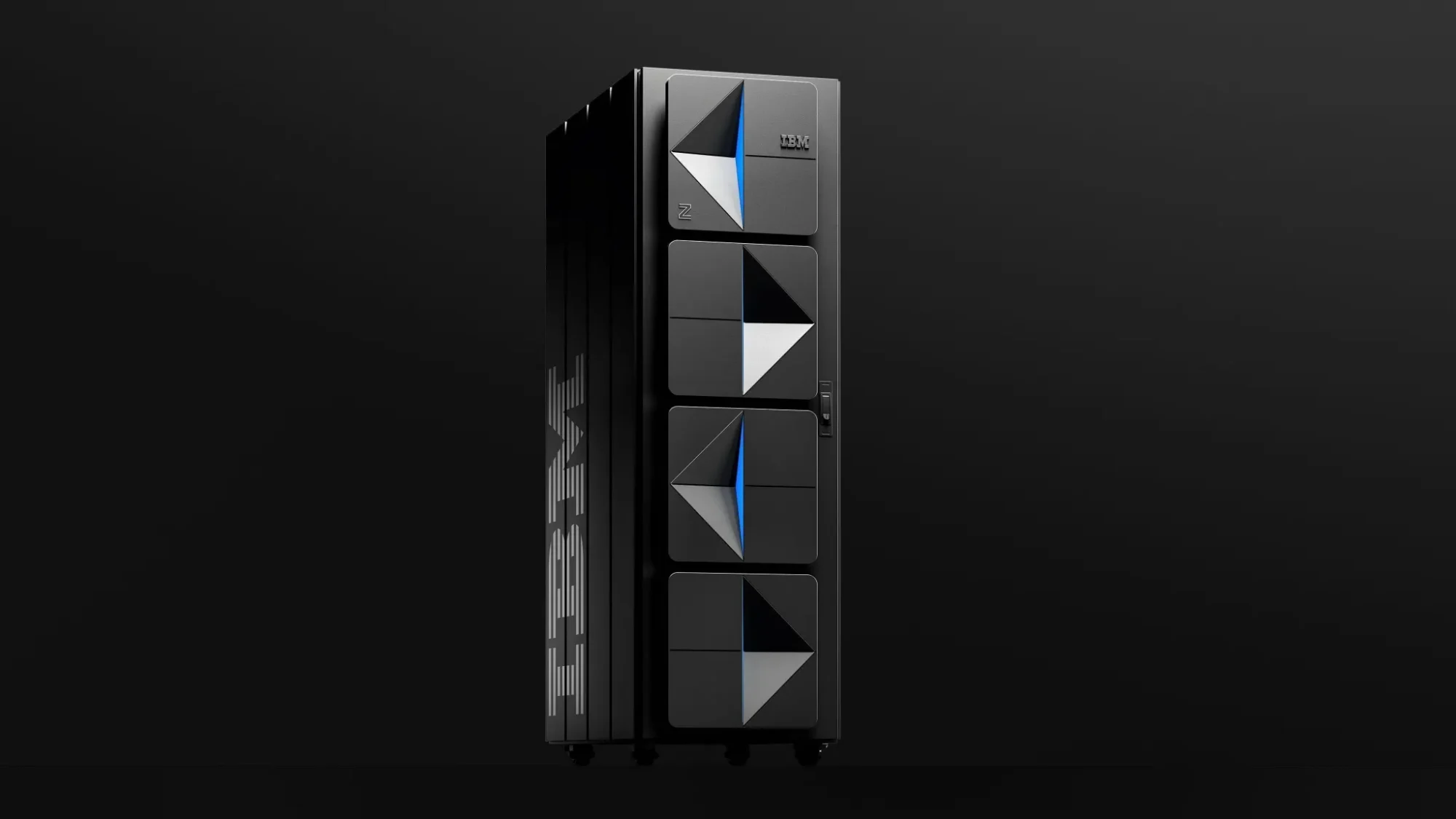
One COBOL family
Choose the platform and migration path that fits.
Platform Advantages
What Makes NetCOBOL Different
No runtime fees for distributed applications
Lower costs as application usage grows
Preserve established COBOL business logic
Reduce recurring license administration
Maintain enterprise performance and reliability
Choose platforms without runtime penalties
Modernize applications without unnecessary rewrites
Business Challenges
Where COBOL Environments Create Cost and Constraint

Runtime Fee Growth
Runtime charges can make application growth more expensive, turning additional users, workloads, and deployments into recurring licensing costs.
Licensing Complexity
Complex runtime licensing increases administrative effort and makes long-term application costs harder for technology and procurement teams to forecast.
Costly Application Growth
Scaling applications can add licensing expense at the same time the business expects technology costs to become more efficient and predictable.
Vendor Dependence
Proprietary compiler behavior and licensing models can reduce negotiating leverage and make future application choices dependent on one vendor ecosystem.
COBOL Modernization Outcomes
Turn Compiler Economics Into Measurable Savings
NetCOBOL customers have reduced recurring technology costs while continuing to rely on established COBOL applications. The strongest results combine lower licensing expense with simpler operations, preserved business logic, and greater flexibility for future change.

$16M
annual operating costs reduced after COBOL modernization
$1M+
annual savings while preserving established COBOL applications
Day-Timer
93% reduction in annual Day-Timer operating costs.
SDC and Day-Timer results reflect broader modernization programs that included NetCOBOL alongside other technologies and services.
Customer perspective
“We were able to take COBOL code—some of it more than 20 years old—move it to Windows with NetCOBOL, and connect it to other platforms through XML and web services without changing the business logic.”
CIOWashington State Department of Licensing

Fujitsu NetCOBOL · Product Brochure
Product Guide
Compare NetCOBOL Editions and Deployment Options
Review runtime licensing, supported platforms, development environments, database connectivity, .NET capabilities, and edition differences across the Fujitsu NetCOBOL portfolio.
Frequently asked questions
The questions COBOL teams ask before they modernize.
Focused answers about tooling, application compatibility, interoperability, cost, and long-term platform strategy.

When should an organization consider NetCOBOL instead of another COBOL compiler?
NetCOBOL is a strong fit when an organization wants to reduce or eliminate runtime fees, modernize existing COBOL applications, integrate with .NET technologies, or extend proven legacy systems without adding licensing cost and operational complexity.
Can NetCOBOL support both legacy maintenance and new application development?
Yes. NetCOBOL supports established COBOL workloads as well as new batch, web, GUI, cloud, and enterprise applications, allowing teams to modernize incrementally instead of forcing a full rewrite.
How does NetCOBOL help bridge legacy and modern development teams?
NetCOBOL applications can interoperate with C#, C++, and Visual Basic. That allows COBOL specialists and modern application teams to contribute to shared solutions using familiar tools and languages.
What types of applications can be built with NetCOBOL?
Teams can develop batch processing, web, GUI, cloud-based, and enterprise applications while reusing existing COBOL logic and data access patterns.
How does NetCOBOL support long-term modernization?
NetCOBOL helps organizations reuse existing assets, integrate new technologies gradually, reduce migration risk, preserve institutional knowledge, and evolve applications on a scalable path.
Built for the systems that cannot fail
Trust Adaptigent’s expertise to get the job done.
More than 80 of the Fortune 500 already do.






Enterprise impact at global scale
40+
years of core systems expertise
2,500+
successful global implementations
80
Fortune 500 organizations served
Keep exploring
Related insights

Post Jul 23, 2026
How Can Public Sector Agencies Modernize Citizen Services While Protecting Mission-Critical Operations? Public sector agencies can…
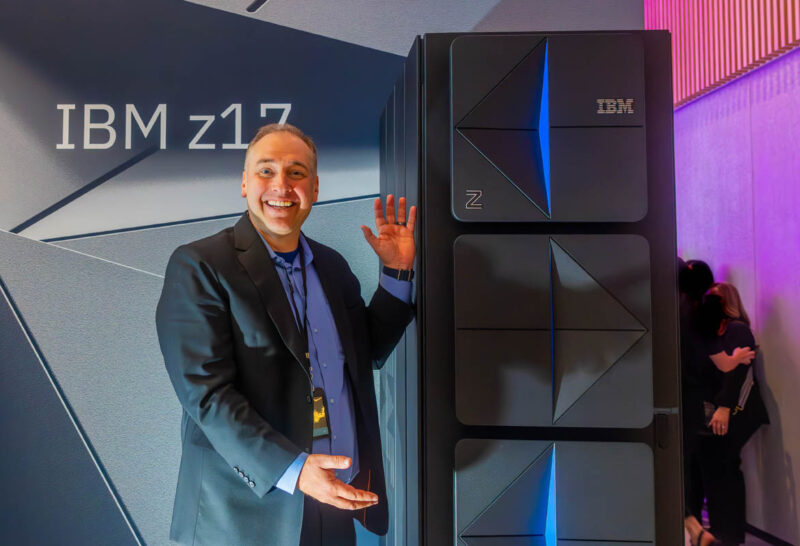
Post Jul 7, 2026
As organizations accelerate AI adoption, the need for a trusted, secure, and high-performance platform has never…

Post Jul 1, 2026
Adaptigent’s “Modernization Without Migration” panel event closed its main topic discussion with a forward-looking theme: vendor-agnostic,…